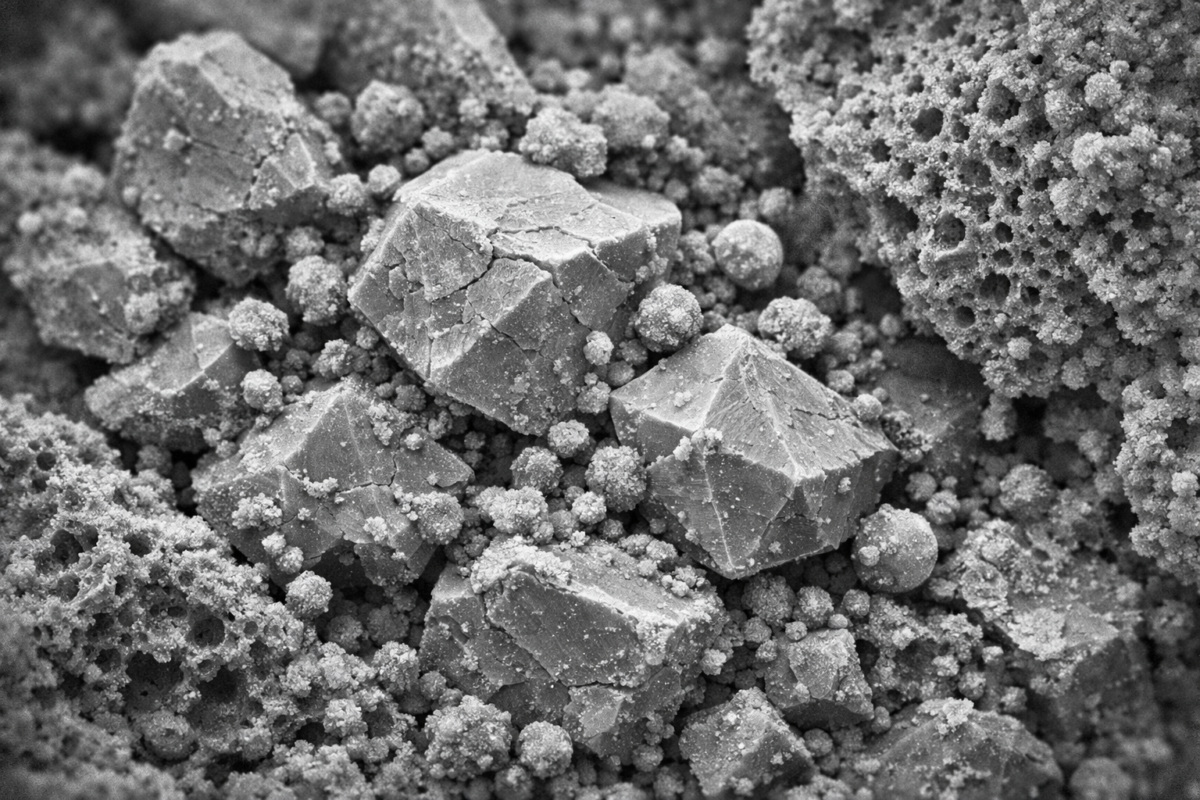
How to Improve Initial Coulombic Efficiency (ICE) of Hard Carbon for Sodium-Ion Batteries
Introduction
Hard carbon has become one of the most promising anode materials for sodium-ion batteries due to its relatively low cost, good sodium storage capability, and compatibility with large-scale energy storage applications. Compared with graphite, hard carbon can effectively accommodate sodium ions because of its disordered microstructure and enlarged interlayer spacing.
However, one of the major challenges limiting the commercialization of hard carbon is its relatively low Initial Coulombic Efficiency (ICE). In many sodium-ion systems, ICE values of hard carbon are typically between 70–85%, which results in irreversible sodium loss during the first cycle and reduces the overall energy density of the battery.
Improving ICE has therefore become an important research direction for both academia and industry.
Why Initial Coulombic Efficiency Matters
Initial Coulombic Efficiency refers to the ratio of the first discharge capacity to the first charge capacity during the initial cycle.
ICE = (Charge Capacity / Discharge Capacity) × 100%
A low ICE means that a large amount of sodium ions are irreversibly consumed during the first cycle. This irreversible loss mainly comes from:
- Formation of the solid electrolyte interphase (SEI)
- Sodium trapping inside micropores
- Surface side reactions
- Structural defects in hard carbon
For sodium-ion batteries, low ICE is especially problematic because sodium sources are limited within full-cell systems. Excessive sodium consumption directly decreases practical energy density and cycle performance.
Main Reasons for Low ICE in Hard Carbon
1. High Specific Surface Area
Hard carbon materials with large surface areas expose more active sites to the electrolyte. This accelerates electrolyte decomposition during the first cycle and leads to excessive SEI formation.
Although porous structures may improve rate capability, they often sacrifice ICE.
2. Micropore Sodium Trapping
The disordered structure of hard carbon contains numerous closed pores and defects. Some sodium ions become trapped inside these micropores and cannot be extracted during charging.
This irreversible sodium storage contributes significantly to first-cycle capacity loss.
3. Structural Defects and Oxygen Functional Groups
Residual oxygen-containing functional groups and lattice defects increase surface reactivity with electrolytes. These active sites promote parasitic reactions and unstable SEI formation.
Biomass-derived hard carbons often suffer from this issue if carbonization conditions are not optimized.
4. Electrolyte Instability
Electrolyte composition strongly influences SEI chemistry. Incompatible electrolyte systems may produce thick or unstable SEI layers, leading to large irreversible capacity loss.
For example, carbonate-based electrolytes without suitable additives often generate poor ICE performance in sodium-ion systems.
Common Strategies to Improve ICE
1. Surface Coating Engineering
Surface coatings can reduce direct contact between hard carbon and electrolyte while suppressing side reactions.
Common coating methods include:
- Carbon coating
- Pitch coating
- Polymer-derived coatings
These approaches help stabilize SEI formation and improve sodium reversibility.
2. Optimizing Carbonization Temperature
Higher pyrolysis temperatures generally reduce surface defects and oxygen functional groups.
Typical hard carbon synthesis temperatures range from:
1000°C ~ 1600°C
Appropriate heat treatment can:
- Reduce surface area
- Increase graphitic domains
- Improve ICE stability
However, excessively high temperatures may decrease sodium storage capacity.
3. Electrolyte Additives
Electrolyte additives play a critical role in forming stable SEI films.
One of the most widely studied additives is Fluoroethylene Carbonate (FEC), which can significantly improve first-cycle efficiency and cycling stability.
Common electrolyte optimization strategies include:
- FEC additive introduction
- Ether-based electrolyte systems
- Sodium salt optimization
4. Pre-Sodiation Techniques
Pre-sodiation compensates for irreversible sodium loss before battery operation.
Several methods have been investigated:
- Chemical pre-sodiation
- Electrochemical pre-sodiation
- Sacrificial sodium-containing additives
Although promising, large-scale implementation remains technically challenging.
Biomass-Derived Hard Carbon Opportunities
Biomass-derived hard carbon has attracted increasing attention because of its sustainability and low cost.
Typical biomass precursors include:
- Coconut shell
- Walnut shell
- Wood
- Cellulose
- Pitch-derived carbon
By carefully controlling:
- precursor selection
- pore structure
- pyrolysis conditions
- surface chemistry
researchers can significantly improve ICE while maintaining high reversible capacity.
Research Trends in High-ICE Hard Carbon
Current research trends mainly focus on balancing:
- high ICE
- high reversible capacity
- long cycle life
- fast sodium diffusion
Several advanced approaches include:
- heteroatom doping
- pore engineering
- low-defect microstructures
- composite hard carbon systems
Future commercialization of sodium-ion batteries will strongly depend on further improvements in hard carbon ICE and consistency.
Research-Grade Hard Carbon Materials
For sodium-ion battery research, material consistency is critical for reproducible electrochemical performance.
Oneenergi provides research-grade hard carbon materials for sodium-ion battery development, including customized solutions for:
- low-temperature performance
- high ICE optimization
- biomass-derived hard carbon
- fast-charging sodium-ion systems
Material customization based on particle size, tap density, and electrochemical requirements can help accelerate battery R&D projects.
Conclusion
Improving the Initial Coulombic Efficiency of hard carbon remains one of the key challenges for sodium-ion battery commercialization.
By optimizing:
- microstructure
- surface chemistry
- electrolyte compatibility
- synthesis conditions
researchers can significantly reduce irreversible sodium loss and enhance full-cell energy density.
As sodium-ion technology continues to develop, high-performance hard carbon materials with improved ICE will play a central role in next-generation energy storage systems.