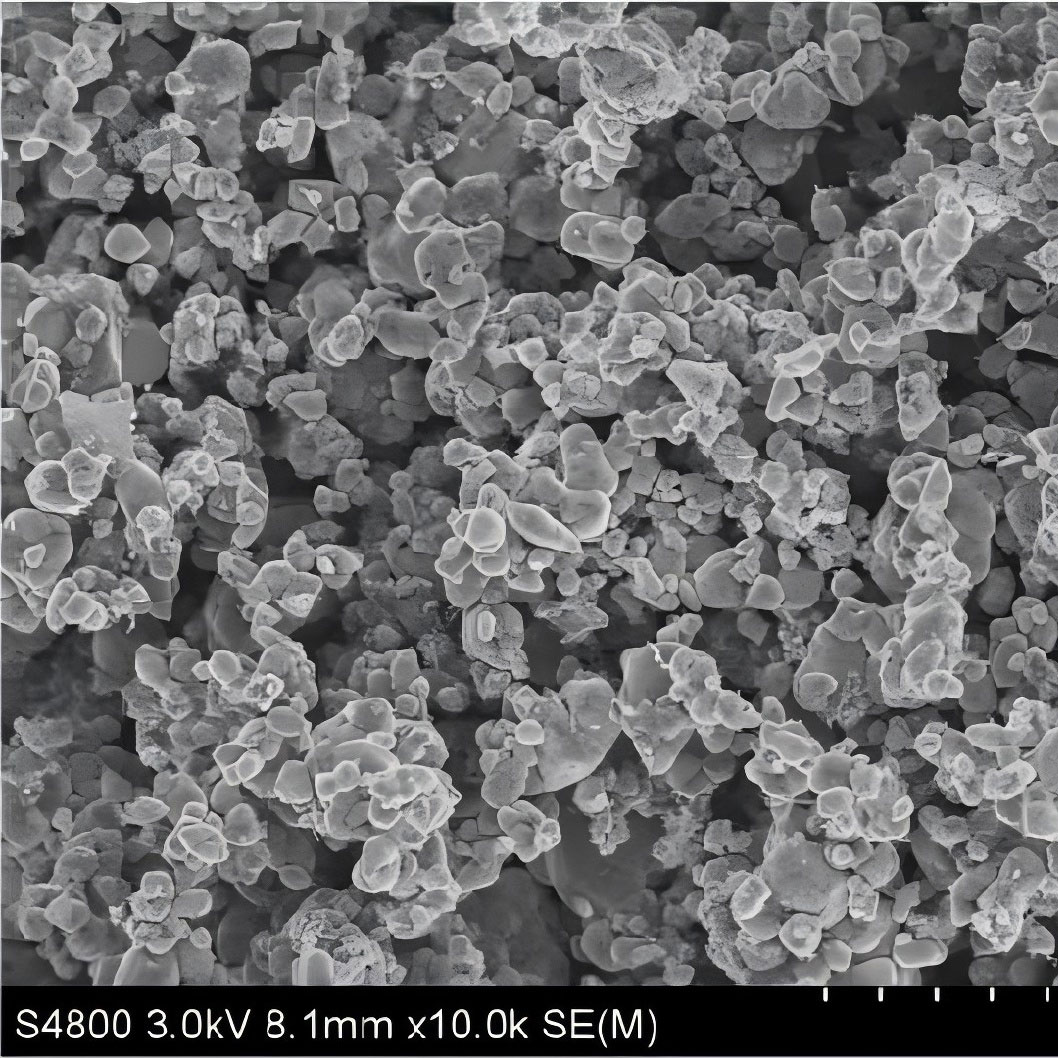
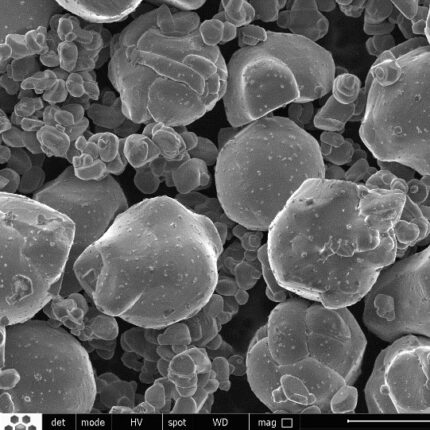
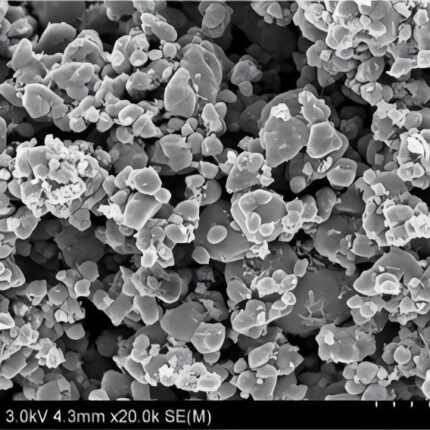
Original BTR S27 LFP Cathode Material – High Density Lithium Iron Phosphate Powder
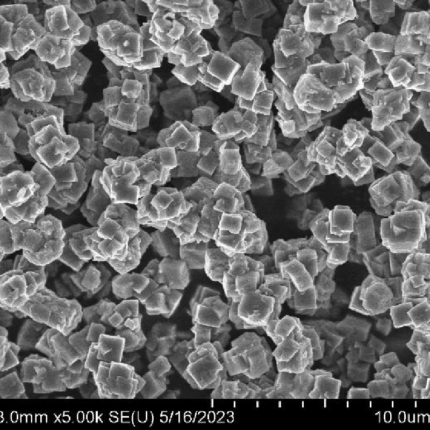
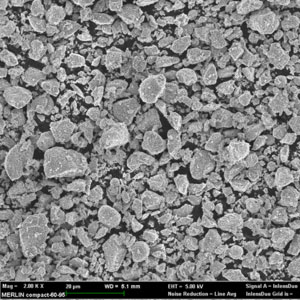
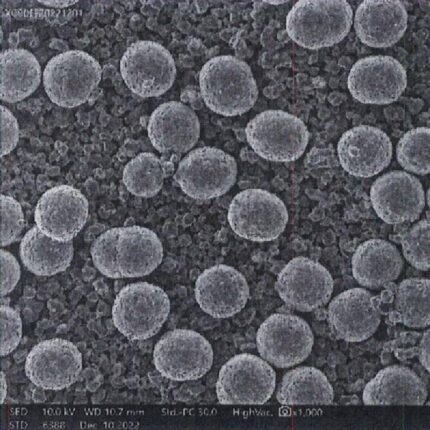
As a global leader in battery materials, BTR’s S27 LFP has become a standard for high-end lithium iron phosphate batteries. It solves the traditional LFP weakness of low volumetric energy density by achieving a superior press density (≥2.45 g/cm³), allowing more active material to be packed into the same cell volume.
| No | Item | Spec | Unit | |
|---|---|---|---|---|
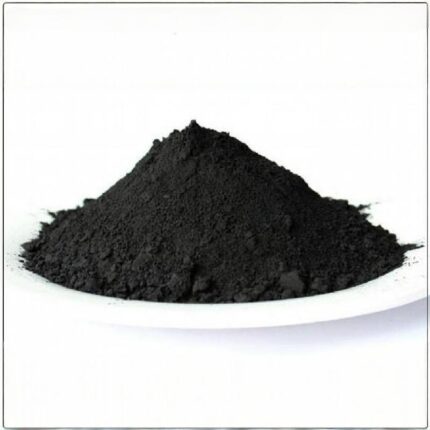
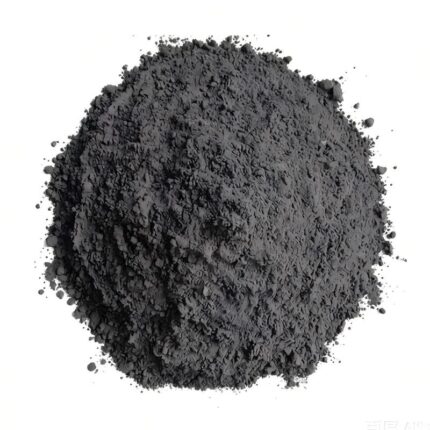
| 1 | Appearance | Grey black powder | N.A | |
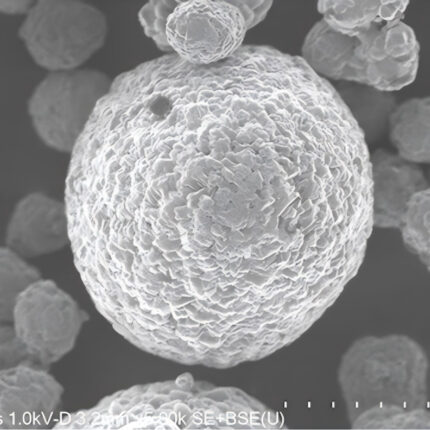
| 2 | Particle size | D10 | ≥0.25 | um |
| D50 | 1.3±0.5 | um | ||
| D90 | <10 | um | ||
| 3 | Powder resistivity | ≤100 | Ω ·cm | |
| 4 | Carbon content | 1.45±0.2 | % | |
| 5 | SSA | 13.5±2.0 | m²/g | |
| 6 | Tap Density | 0.8±0.2 | g/m³ | |
| 7 | Moisture | <1000 | ppm | |
| 8 | PH | 9.5±1.0 | N.A | |
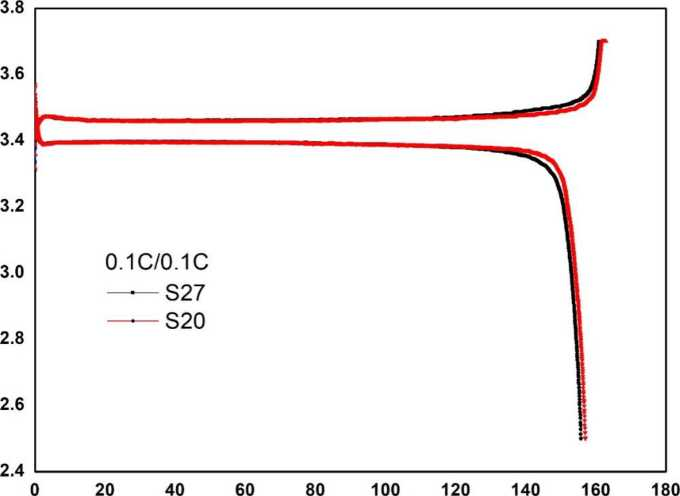
| 9 | Capacity(0.1C) | ≥154 | mAh/g | |
| 10 | Efficiency(0.1C) | ≥95 | % | |
6. FAQ(
Q1: Is this the original BTR S27 material?
A: Yes, we provide 100% authentic BTR S27 cathode material with original factory COA (Certificate of Analysis) for every batch.
Q2: What makes S27 different from other LFP models?
A: S27 is specifically optimized for press density. While standard LFP powders may struggle to exceed 2.2 g/cm³, S27 can comfortably reach 2.45-2.55 g/cm³, which is crucial for increasing the energy density of the final battery cell.
Q3: What is the recommended binder for S27?
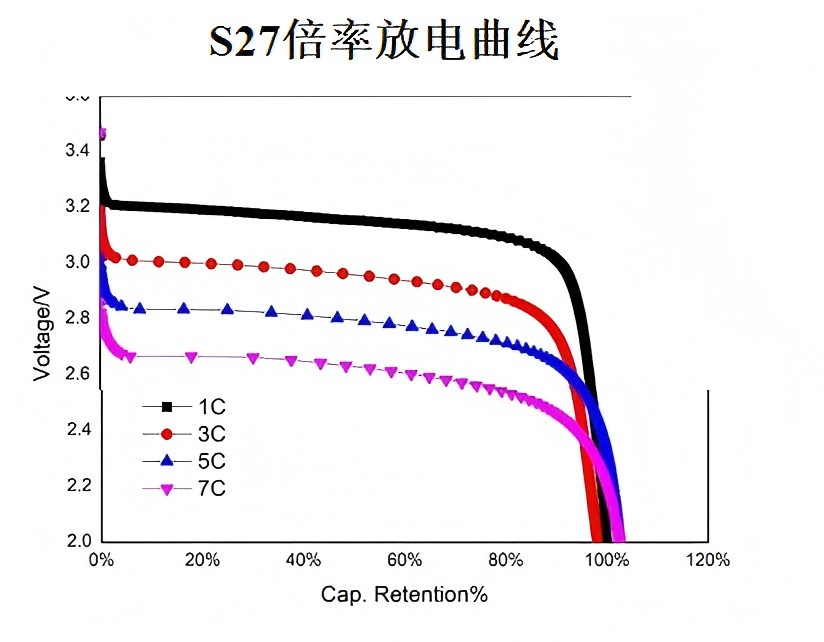
A: For best results, we recommend using high-quality PVDF (e.g., Solef 5130 or equivalent) and high-purity NMP. Carbon nanotubes (CNTs) are also suggested as a conductive agent to enhance the high-rate performance.